Languages
Languages open doors into other ways of thinking. This category is for self-learners who want to study languages independently, whether they are starting their first foreign language or improving one they already know. Here you will find practical guides on vocabulary, grammar, pronunciation, listening, reading, speaking, writing, immersion, study routines, and language learning tools.
Learning a language is not only about memorizing words. It is about building a new mental map: new sounds, new patterns, new cultural references, and new ways to express meaning. The process can be slow, but it is also one of the most rewarding forms of self-education. These articles are designed to help you avoid common mistakes, stay consistent, and create a learning system that fits your life. A new language does not simply give you new sentences. It gives you another angle on the world.
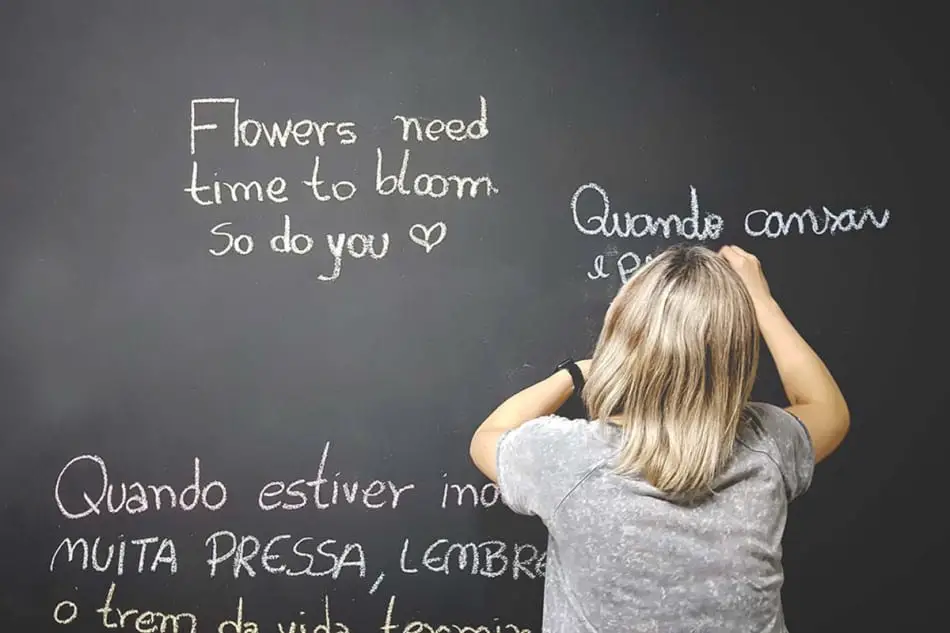
It’s a question that has baffled linguists for centuries – what is the easiest language to learn by yourself? Is it Spanish, with its simple verb conjugations? Or is it Mandarin, with its four tones and multitude of characters? Let’s find out. It is said that Norwegian is the easiest language for English speakers to …
What Is the Easiest Language to Learn by Yourself? Read More »
If you want to learn HTML by yourself, you may be wondering how long that could take. When considering the staggering specter of the months and years it takes to upgrade a new skill like coding, you have nothing to be afraid of. The best things take time, and learning HTML takes time too. But …
How Long Does It Take To Learn HTML By Yourself? Read More »
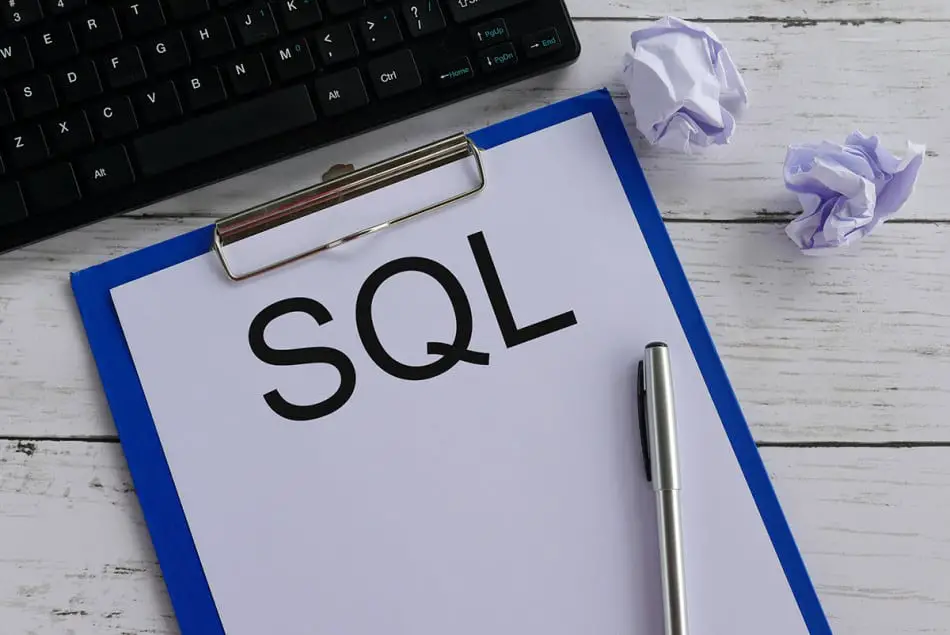
Structures Query Language (SQL) is a programming language that is used to create and manage databases consisting of rows and columns. It is used by 47% of all developers worldwide and is the perfect language for beginners who wish to learn higher programming languages like python and JavaScript. SQL is easy to manage and anyone …
How To Self-Learn SQL (Guide for Beginners) Read More »
Python is one of the most popular programming languages today. No matter why you choose to learn Python, you can easily teach yourself the language, even if you are a beginner with no programming experience. There are many methods and steps to follow if you want to learn Python. Here are the steps to learn …
How To Teach Yourself Python (Beginner’s Guide) Read More »