Science

Science begins with curiosity, but it grows through method. This category is for independent learners who want to understand the natural world through physics, chemistry, biology, astronomy, earth science, scientific reasoning, and evidence-based thinking. The focus is not only on facts, but on how scientific knowledge is built, tested, revised, and connected.

Here you will find accessible guides for learning science on your own, from basic concepts to structured study paths and practical ways to approach difficult subjects. Science can explain stars, cells, energy, ecosystems, materials, and the strange rules beneath everyday reality. But it also teaches intellectual humility: the ability to change your mind when the evidence changes. This category is for readers who want wonder without superstition and clarity without oversimplification. To learn science is to learn how to ask better questions about reality.

Can You Teach Yourself Neuroscience?

The human brain—arguably the most complex structure in the known universe—has fascinated scientists, philosophers, and curious minds for centuries. But here’s a question that might be on your mind: can someone without formal academic training actually teach themselves neuroscience? The answer is absolutely yes. While becoming a practicing neuroscientist typically requires formal education and laboratory …
Can You Teach Yourself Neuroscience? Read More »

Is Astronomy Hard to Learn? + How to Make It Easier

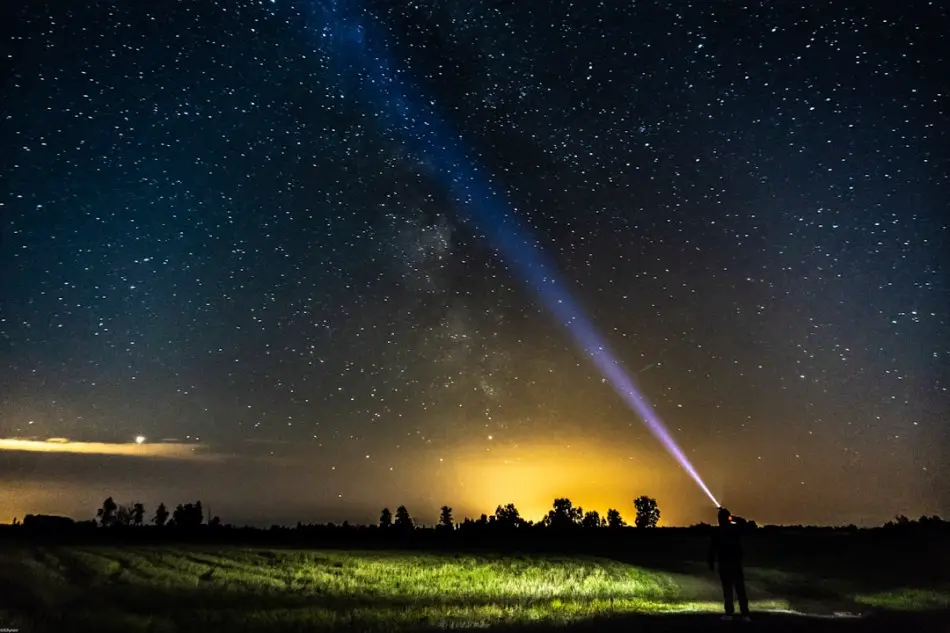
Gazing up at the night sky has captivated humanity for millennia, and today’s aspiring astronomers have more resources than ever to explore the cosmos. But is astronomy hard to learn? Astronomy is moderately challenging to learn because it combines mathematics, physics, and specialized observational skills, but it’s absolutely accessible to self-learners who start with fundamental …

Is Astronomy Hard to Learn? + How to Make It Easier Read More »

How to Self Learn Neuroscience: The Complete Guide

Learning neuroscience on your own is entirely possible through a combination of quality textbooks, online courses, video lectures, and hands-on projects that explore the brain’s structure and function. To self-learn neuroscience effectively, start with foundational biology and chemistry knowledge, then progress through introductory neuroscience textbooks and online courses, supplementing your learning with research papers, documentaries, …

How to Self Learn Neuroscience: The Complete Guide Read More »

How to Self Learn Astronomy: The Complete Guide

Astronomy, the study of celestial objects and the universe beyond Earth’s atmosphere, is one of the most accessible sciences for self-learners. You can effectively self-learn astronomy by starting with foundational physics and math, using free online courses and textbooks, observing the night sky with basic equipment, and progressively advancing through specialized subtopics like astrophysics, cosmology, …

How to Self Learn Astronomy: The Complete Guide Read More »

How to Self Learn Nutrition: The Complete Guide

Learning nutrition on your own is one of the most valuable investments you can make in your health and wellbeing. To self-learn nutrition effectively, start with foundational textbooks on biochemistry and human nutrition, supplement with evidence-based online courses from accredited institutions, follow registered dietitians and nutrition scientists on YouTube and podcasts, and apply your knowledge …

How to Self Learn Nutrition: The Complete Guide Read More »