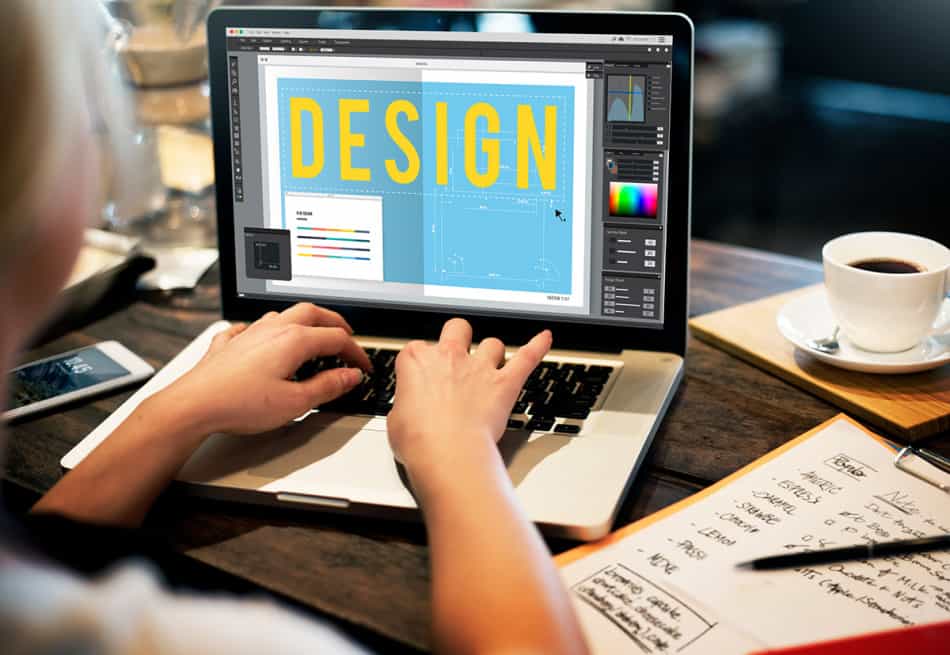
If you’ve ever marveled at a beautifully designed logo, a compelling poster, or an intuitive app interface, you’ve probably wondered whether you could create something similar. The good news? Yes, you can absolutely teach yourself graphic design. With the wealth of free and affordable resources available online today, combined with dedication and consistent practice, anyone can develop professional-level graphic design skills without formal education or expensive degrees.
Graphic design is one of the most accessible creative fields for self-learners. Unlike some disciplines that require specialized equipment or physical materials, you can start learning design with just a computer and an internet connection. The key is understanding the fundamentals, practicing regularly, and building a portfolio that showcases your growing abilities.
What You Need to Get Started
Before diving into tutorials and courses, you’ll need to set up your learning environment with the right tools and mindset. Here’s what every aspiring graphic designer needs:
Design Software: While professional designers often use Adobe Creative Suite (Photoshop, Illustrator, InDesign), beginners don’t need to invest hundreds of dollars immediately. Free alternatives like GIMP for photo editing, Inkscape for vector graphics, and Canva for quick projects are excellent starting points. As you progress, you can explore whether investing in Adobe subscriptions makes sense for your goals.
A Computer: You don’t need a high-end machine to start, but a computer with at least 8GB of RAM and decent processing power will make your learning experience smoother. Both Mac and PC work perfectly well for graphic design.
Curiosity and Observation: The best designers are perpetual students of visual culture. Start paying attention to designs around you—websites, packaging, advertisements, book covers. Ask yourself what works, what doesn’t, and why certain choices were made.
A Portfolio Platform: Even as a beginner, start documenting your work. Free platforms like Behance or a simple website will help you track your progress and eventually showcase your skills to potential clients or employers.
Step-by-Step Guide to Teaching Yourself Graphic Design
1. Master the Fundamental Principles
Before touching any software, understand the core principles that underpin all good design: balance, contrast, hierarchy, alignment, repetition, proximity, and white space. These principles are universal and apply whether you’re designing a business card or a billboard. Spend time studying these concepts through books, articles, and video tutorials. The principles are your foundation—everything else builds on top.
2. Learn Color Theory and Typography
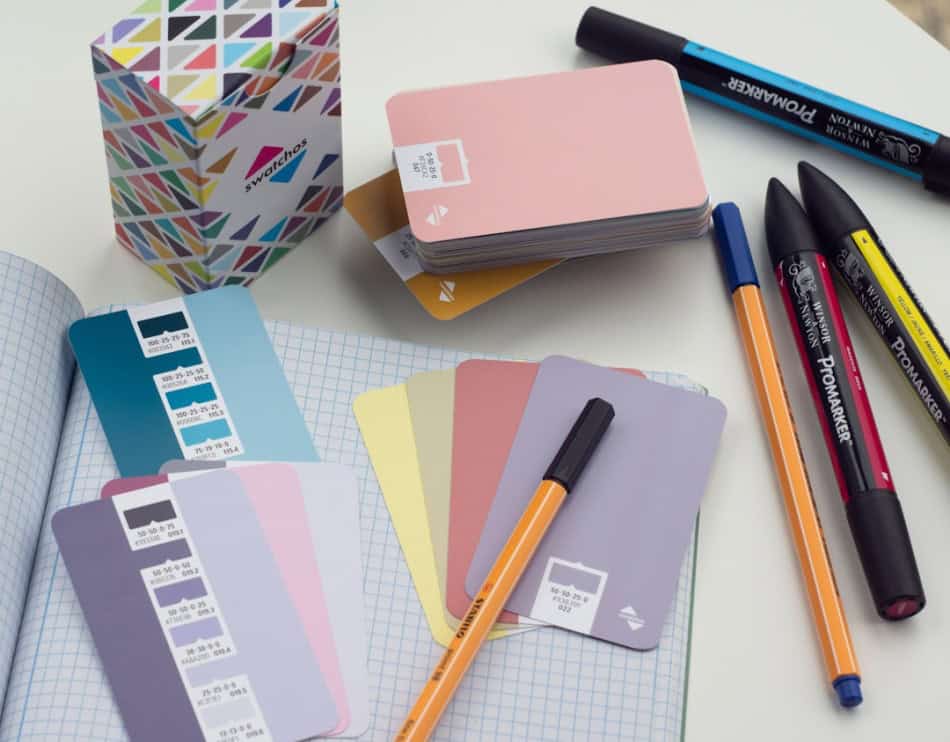
Color and type are the languages of graphic design. Study how colors interact, what emotions they evoke, and how to create effective color palettes. Similarly, learn the difference between serif and sans-serif fonts, understand kerning and leading, and discover how typography can communicate personality and tone. These skills alone will dramatically improve your designs.
3. Choose Your Software and Learn It Systematically
Pick one primary design tool and commit to learning it thoroughly. Don’t jump between programs—master one first. Follow structured tutorials that take you from basic tools to advanced techniques. Practice each tool as you learn it rather than passively watching videos.
4. Copy Designs You Admire
This might seem counterintuitive, but recreating existing designs is one of the fastest ways to learn. Choose designs you find impressive and try to replicate them exactly. This exercise forces you to problem-solve, understand design decisions, and master your tools. Just remember: copying is for learning only, never for your portfolio or commercial use.
5. Start Creating Original Projects
Once you’ve built some skills, begin creating your own work. Start with simple projects: redesign a local business’s logo, create a poster for a fictional event, or design a book cover for your favorite novel. Give yourself real-world constraints and deadlines to simulate professional conditions. Check out proven self-teaching strategies that can accelerate your learning process.
6. Seek Feedback and Iterate
Join online design communities, share your work, and embrace constructive criticism. Feedback is essential for growth. Platforms like Reddit’s design communities, Dribbble, and Behance allow you to both share your work and study what experienced designers are creating.
Best Free Resources for Learning Graphic Design
The internet is overflowing with high-quality, free educational content for graphic designers. Here are some of the best resources to incorporate into your learning journey:
Coursera: Platforms like Coursera offer complete graphic design courses from respected universities. The “Graphic Design Specialization” from CalArts is particularly well-regarded and covers everything from fundamentals to portfolio development. Many courses are free to audit, though you’ll pay if you want a certificate.
YouTube Channels: YouTube hosts countless excellent design channels. The Futur offers business and design advice, Will Paterson focuses on logo design and branding, and Charli Marie shares her design process and career insights. These channels provide both technical tutorials and industry wisdom.
Design Blogs and Websites: Smashing Magazine, Creative Bloq, and AIGA’s Eye on Design regularly publish articles about design theory, trends, and techniques. Reading these will keep you informed about the industry while deepening your understanding of design thinking.
Practice Platforms: Websites like Daily UI provide daily design challenges to help you practice consistently. Briefbox offers realistic design briefs to simulate client work. These structured practice opportunities are invaluable for building skills and portfolio pieces.
Video Tutorial: Getting Started with Graphic Design
This comprehensive tutorial covers the essential fundamentals every self-taught designer needs to know:
Tips for Success in Your Self-Taught Design Journey
Practice Every Single Day: Even 30 minutes of daily practice will compound into significant skill development over months. Consistency matters more than marathon sessions. Set a sustainable schedule and stick to it.
Build a Diverse Portfolio: Don’t just focus on one type of design. Experiment with logos, posters, web design, packaging, and more. This versatility will make you more employable and help you discover what you truly enjoy.
Study Design History: Understanding movements like Bauhaus, Swiss Design, and Postmodernism will give context to contemporary design and inspire your own work. Design didn’t start with Instagram—there’s a rich heritage to learn from.
Learn the Business Side: If you plan to freelance or start a design business, learn about pricing, client communication, contracts, and marketing. Technical skills alone won’t sustain a design career.
Stay Current with Trends: While fundamentals are timeless, design trends evolve. Follow design publications, browse Behance, and notice what styles are emerging. You don’t need to chase every trend, but awareness keeps your work relevant.
Don’t Skip the Fundamentals: It’s tempting to jump straight into creating flashy effects in Photoshop, but designers with weak fundamentals always plateau. Invest time in truly understanding principles, and your work will consistently improve.
Find Your Niche: As you develop, you’ll naturally gravitate toward certain types of design. Maybe you love brand identity, or perhaps UI/UX design excites you. Specializing can help you stand out in a crowded field.
Conclusion
Teaching yourself graphic design is not only possible—it’s increasingly common. Many successful designers working today are largely self-taught, having used online resources, personal projects, and sheer determination to build their careers. The democratization of design education means that motivation and discipline now matter more than access to expensive schools.
Your journey won’t always be linear. You’ll face frustrations, creative blocks, and designs that simply don’t work. That’s part of the process. Every professional designer has created countless mediocre designs on their path to excellence. The difference between those who succeed and those who give up is persistence.
Start today with the basics. Learn one principle, master one tool, complete one project. Then tomorrow, do it again. In six months, you’ll be amazed at how far you’ve come. In a year, you could have a portfolio strong enough to land clients or a design job. The question isn’t whether you can teach yourself graphic design—it’s whether you’re ready to commit to the journey.
Remember, every expert designer was once a beginner staring at a blank canvas, wondering where to start. The only difference between them and you is that they started. So open that design software, embrace the learning process, and begin creating. Your future as a graphic designer starts now.